Ojoudere test
Do you notice who needs an introduction or remember exactly how someone takes their tea? Compare that way of showing affection with the Ojoudere archetype.
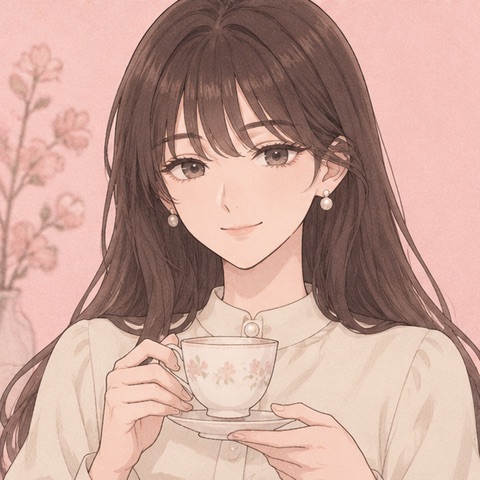
What is an Ojoudere?
An Ojoudere character uses poise, courtesy, and thoughtful form to show affection. In an anime or manga scene, that may look like remembering how a guest takes tea, introducing two people who share an interest, or finding a way to include someone who feels out of place. The warmest gestures show that the character has paid attention to the person as well as to the occasion.
Picture a dinner where one guest knows hardly anyone. The host seats them beside someone who shares their favorite hobby and asks a question that gives both of them room to talk. Later, the host checks in and offers the pastry that guest once mentioned liking. These little acts help tell the story of how the host sees the person.
Signs of the Ojoudere pattern
- Welcoming someone can feel like a small ritual you look forward to.
- You notice who has yet to speak and can make room for them without putting them on the spot.
- A thoughtful introduction or sincere thank-you feels like an opportunity to show care.
- Planning the details of a visit matters because the details affect how comfortable the guest feels.
Etiquette in this pattern works best when it is responsive. One guest might appreciate a formal introduction, while another prefers time to settle into the room. A character can show growth by learning when to use an established courtesy and when to offer something more casual. What matters is whether their care reaches the person it is meant for.
Ojoudere vs. Himedere and Amadere
A Himedere notices when someone turns an invitation into a special occasion for them. An Ojoudere tends to express their feelings through the welcome they prepare for someone else. An Amadere may also offer care, with particular attention to rest and comfort. Think of a person who greets a guest warmly, a person who feels cherished by the welcome, and a person who offers them a quieter seat after a long day.
How the quiz scores Ojoudere
Quick mode asks whether small courtesies, such as making sure everyone at the table feels included, appeal to you. The longer modes ask how often etiquette shapes the way you welcome people, whether you enjoy rituals of hospitality, and how much polished manners matter in a connection. The quiz reverses opposite statements and averages the results. Consider choices you make because you care about someone’s experience, including what you would do when nobody expects you to be the host.
Start the dere test, learn how scoring works, or compare all 15 dere types.
Frequently asked questions
Does Ojoudere require wealth or a title?
The site uses the label for composed and considerate ways of showing affection. The gestures can happen in an ordinary home or classroom.
Can a person be both Ojoudere and Amadere?
Yes. You may enjoy the ceremony of welcoming a guest and pay close attention to what will make them comfortable.
What if I prefer informal manners?
Think about the ordinary courtesies you still value, such as making room for someone in a group or offering a thoughtful introduction.