15 anime dere types and their meanings
Dere types are anime and manga character archetypes that describe how someone shows affection. A Tsundere covers warmth with teasing, a Kuudere stays composed, and a Dandere opens up as trust grows. This guide covers the 15 types used in DereTest. Fans also use other labels, and one character can fit more than one type.
The 15 dere types at a glance
| Type | How affection shows | Compare with |
|---|---|---|
| Tsundere | A Tsundere puts a prickly or teasing front over their affection. | Kuudere |
| Kuudere | A Kuudere stays composed and often shows care through practical actions. | Dandere |
| Dandere | A Dandere is quiet at first and opens up as trust grows. | Hajidere |
| Deredere | A Deredere expresses fondness openly and readily. | Amadere |
| Bakadere | A Bakadere shows affection through goofy enthusiasm and comic mishaps. | Deredere |
| Yandere | A Yandere is a fictional character whose intense affection turns obsessive or possessive. | Amadere |
| Himedere | A Himedere wants a love interest to court and celebrate them like royalty. | Ojoudere |
| Kamidere | A Kamidere leads with confidence and can assume their judgment outranks everyone else’s. | Himedere |
| Mayadere | A Mayadere grows affectionate after starting out as a genuine rival or opponent. | Tsundere |
| Hajidere | A Hajidere gets visibly flustered when affection becomes direct. | Dandere |
| Undere | An Undere shows affection by eagerly joining in with someone else’s interests. | Amadere |
| Amadere | An Amadere expresses affection through comfort and attentive care. | Deredere |
| Darudere | A Darudere favors relaxed, low-effort ways of being close. | Kuudere |
| Hinedere | A Hinedere meets romantic promises with skepticism and dry humor. | Tsundere |
| Ojoudere | An Ojoudere shows fondness through poise, courtesy, and deliberate gestures. | Himedere |

Tsundere
Affection makes a Tsundere feel exposed. In anime and manga, the contrast between sharp words and warm actions can play out in one exchange or unfold across a whole story. A softened tone lands because the audience has heard the sharper one first.
- Makes a quick joke when a compliment lands too close to home.
- Offers help and immediately supplies a practical excuse for it.
- Speaks more plainly in private once the pressure to react is gone.
Compared with Kuudere. A Kuudere tends to stay composed when a conversation gets intimate. A Tsundere is more likely to get visibly defensive, backpedal around a compliment, or let a warm response slip before covering it up.
Everyday scene. After a club meeting, they insist they waited only because it was raining. They’ve brought a spare umbrella in the other person’s favorite color.

Kuudere
A Kuudere’s emotional restraint stays in place even when the audience can tell they care. They can speak quite easily, but their words may be brief and their expression calm. The affection becomes legible through close attention, follow-through, and a few deliberate choices.
- Answers a heartfelt message with a short, carefully chosen reply.
- Quietly remembers a detail that everyone else forgot.
- Makes time to help without calling attention to the effort.
Compared with Dandere. A Dandere tends to speak more once they feel safe. A Kuudere might remain equally reserved even in a comfortable one-on-one conversation, while becoming more willing to share their time or lend a hand.
Everyday scene. When their crush mentions a broken bike light, they bring a spare and help fit it before the ride home.

Dandere
A Dandere’s reserve is most visible around unfamiliar people or in settings where speaking feels daunting. Over repeated encounters, their personality comes through in longer replies, shared interests, or a surprisingly lively conversation once the group has gone home.
- Listens closely in a new group while offering only a few words.
- Finds it easier to share a thought with one person at a time.
- Starts making jokes and volunteering opinions once the setting feels familiar.
Compared with Hajidere. A Hajidere can be at ease in conversation right up until an affectionate gesture makes them self-conscious. A Dandere’s change usually tracks how safe and familiar the situation feels overall.
Everyday scene. At a crowded book club they only nod. A few meetings later, walking home with the same person, they explain their favorite ending before either notices how far they’ve walked.

Deredere
With a Deredere, affection is easy to recognize from the start. They may give compliments, say they missed someone, or be the first to celebrate good news. Open warmth is the recurring pattern, whether the character’s usual energy is bubbly or gently affectionate.
- Says directly when time together made their day better.
- Responds to good news with obvious delight.
- Initiates affectionate conversation without needing the other person to go first.
Compared with Amadere. An Amadere’s warmth usually takes the form of comfort and care. A Deredere might show just as much fondness in an excited greeting or a spontaneous compliment when there’s no problem to solve.
Everyday scene. When a friend gets the role they auditioned for, they send a delighted voice note and say exactly what they admired about the performance.

Bakadere
A Bakadere brings a comic beat to a romantic scene. The character might act on a sweet impulse before checking the details, misunderstand a cue, or make a clumsy gesture whose sincerity survives the mishap. The humor comes from the way the plan goes sideways.
- Sets off on a sweet errand and forgets one essential detail.
- Turns an awkward slip into a joke both people can enjoy.
- Leaps into a shared activity with more enthusiasm than preparation.
Compared with Deredere. A Deredere can be equally enthusiastic, but their affection tends to be straightforward. The Bakadere version of a sweet moment often gets there by way of spilled batter, a mixed-up note, or a funny misunderstanding.
Everyday scene. They bake birthday cupcakes and accidentally flip the icing letters. They bring spare icing so the pair can make a better message together.

Yandere
A Yandere story takes devotion to an unsettling extreme. The character can appear caring at first, while later scenes show them treating closeness as something they’re entitled to control. This is a dramatic story pattern. In everyday relationships, surveillance, pressure, and ignoring boundaries are unsafe behaviors.
- Fixates on the relationship until other priorities disappear.
- Treats ordinary friendships or time apart as threats.
- Crosses boundaries and frames the intrusion as proof of devotion.
Compared with Amadere. An Amadere offers comforts that leave the other person free to accept or decline. A Yandere plot turns on choices that take that freedom away. The distinction is especially clear when the other character asks for space.
Everyday scene. In a thriller scene, a character seems sweet when offering a ride. The tone changes when they repeatedly turn up uninvited after being clearly asked to stop.

Himedere
A Himedere expects attention with a sense of occasion. They may like a formal invitation, enjoy being fussed over, or treat birthdays and milestones as a stage for romance. What matters for this archetype is the special effort they want to receive, which can be playful or demanding depending on the story.
- Hints that a casual invitation needs a little more ceremony.
- Notices when a plan has clearly been tailored to them.
- Lights up when someone follows through on a grand gesture.
Compared with Ojoudere. An Ojoudere brings polished manners into the way they offer affection. A Himedere’s most distinctive scenes tend to center on the recognition or deference they hope to get from someone else.
Everyday scene. On their birthday, a handwritten invitation to a picnic delights them because a person planned an occasion around things they love.

Kamidere
A Kamidere’s confidence can tilt into superiority in fiction. They often set the pace, present a plan as settled, or take personal interest in the rare character willing to question their calls. A romance can reveal whether that self-assurance makes room for another person’s influence.
- Arrives with an itinerary before the group has discussed options.
- Explains a preference with the certainty of an instruction.
- Pays attention when someone challenges an assumption with a good reason.
Compared with Himedere. A Himedere is often focused on how they’re treated. A Kamidere is more likely to care about who sets the direction. Both can act commanding, so the motive behind the behavior helps separate them.
Everyday scene. They pick a reunion venue by themselves, then warm to the one person who pushes back after finding a place everyone can actually get to.

Mayadere
A Mayadere’s signature is a change of allegiance. The characters start with competing goals or real reasons to oppose one another. A choice that costs something, such as trusting the rival when their own side expects them to walk away, often marks the point at which respect becomes loyalty.
- Treats the love interest as an opponent early in the story.
- Reconsiders after seeing an unexpected act of integrity.
- Takes the former rival’s side at a moment when it matters.
Compared with Tsundere. A Tsundere may use prickly language with someone they already like. With a Mayadere, early opposition is part of the plot and the later change is visible in the decisions they make.
Everyday scene. Two students compete for the same club funding. When a sponsor blames one unfairly, the other speaks up, even though staying quiet would help their own bid.

Hajidere
A Hajidere may be outgoing in ordinary conversation and suddenly lose their words when a crush catches them off guard. The telling detail is romantic attention: the same character can debate a class project with confidence and stumble the moment someone says they look great.
- Blushes when a compliment leaves no room for ambiguity.
- Loses their train of thought when casual talk turns into flirting.
- Writes a clear reply later, once the surprise has worn off.
Compared with Dandere. A Dandere’s reserve tends to ease with familiarity. A Hajidere can still trip over a simple compliment from someone they’ve known for years, especially when they have feelings for that person.
Everyday scene. They tell a funny story to the whole table, then look down and fumble their reply when one friend quietly says they’re the best part of the evening.

Undere
An Undere says yes as a way of getting closer. They want to take part in what excites a love interest, even when the hobby or outing is new to them. A story can explore the charm of that enthusiasm alongside the importance of making their own preferences heard.
- Volunteers to try an unfamiliar hobby together.
- Asks what the other person is looking forward to and offers to come along.
- Makes an effort to learn enough to share the experience.
Compared with Amadere. An Amadere notices what might make someone more comfortable. An Undere is usually drawn to the activity itself because a person they like enjoys it. Both can be generous for different reasons.
Everyday scene. They’ve never kept plants but spend a Saturday learning to repot basil because the person they like has been talking about their balcony garden all week.

Amadere
In this guide, Amadere describes a character who makes someone feel looked after. They notice a rough day, remember a preference, and offer something concrete that might help. Small, recurring acts of care do more to establish the pattern than one exceptional favor.
- Remembers how the other person likes their tea.
- Offers to take one small task off their plate after a long day.
- Checks whether someone wants company, advice, or a little quiet.
Compared with Deredere. A Deredere tends to express fondness openly in any mood. An Amadere gets easiest to recognize when a character notices a particular need and does something thoughtful about it.
Everyday scene. Before a friend’s early shift, they leave breakfast packed in the fridge with a note about which container can go in the microwave.
Darudere
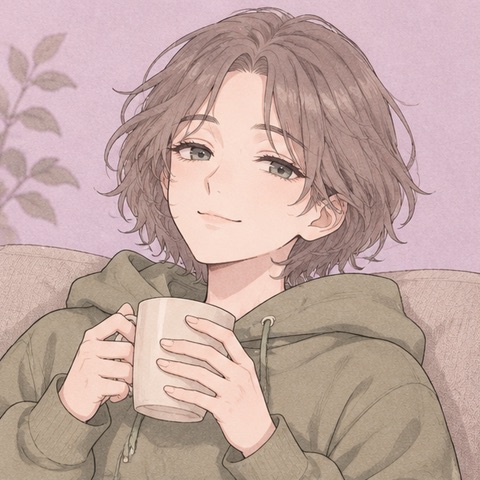
A Darudere’s affection fits the rhythms of a slow day. They may have little appetite for elaborate outings, but they make a point of sharing a familiar show, a lazy walk, or a comfortable silence. Being invited into their ordinary routine can be the warmest gesture they offer.
- Suggests a familiar meal and a quiet evening together.
- Makes room for someone to sit beside them while each does their own thing.
- Gets more animated about a favorite shared routine than a formal date.
Compared with Kuudere. A Kuudere can be energetic while keeping their emotions under control. A Darudere’s defining clue is their taste for ease and unhurried company, even when their fondness is already obvious.
Everyday scene. They turn down a noisy event and invite the other person over for leftovers and another episode of the show they’ve been watching together.

Hinedere
A Hinedere looks for the catch in a big declaration. Dry remarks and skeptical questions can cover real investment, and the character may take a long time to trust that someone means what they say. Repeated, modest follow-through is often what makes that trust believable.
- Greets a sweeping promise with a dry observation.
- Remembers the small commitments people actually kept.
- Shows increasing warmth after someone proves reliable over time.
Compared with Tsundere. A Tsundere often gets prickly when their own affection is exposed. A Hinedere’s barbs are more likely to target an idea they distrust, such as a promise that sounds too good to keep.
Everyday scene. They joke about a friend’s promise to call every week. A month later, they quietly keep that evening free because the calls have become a dependable part of their week.
Ojoudere
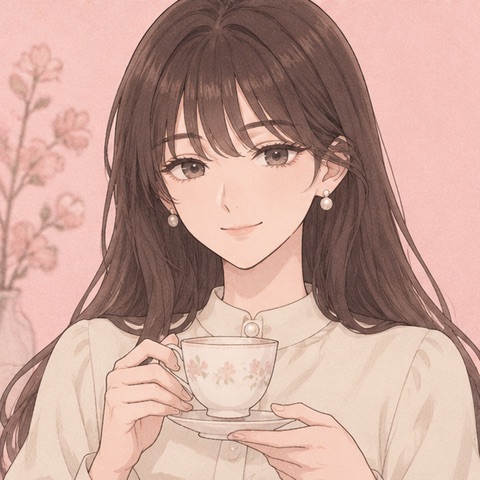
In this guide, Ojoudere describes the gracious side of an elegant character archetype. They may practice formal manners with everyone, so intimacy shows in the specificity of their gestures: a remembered preference, a more personal invitation, or the ease to drop a small formality.
- Makes a careful introduction so a guest feels welcome.
- Sets aside something that suits a person’s particular tastes.
- Lets a little private humor peek through their public composure.
Compared with Himedere. A Himedere often wants to receive royal treatment. An Ojoudere’s signature is the way they give attention. An elegant setting can fit either, so look at who takes the time to make whom feel special.
Everyday scene. They seat a nervous guest near someone with a shared interest, then check in later over the exact pastry the guest once mentioned liking.